Operations
How an academic head can plan school HR and payroll
how an academic head can plan school HR and payroll software.
Reviewed by Sarah, Marketing Manager at Schoolyi, on Monday, August 31, 2026. Checked: Copy, structure, documentation links, and release readiness.
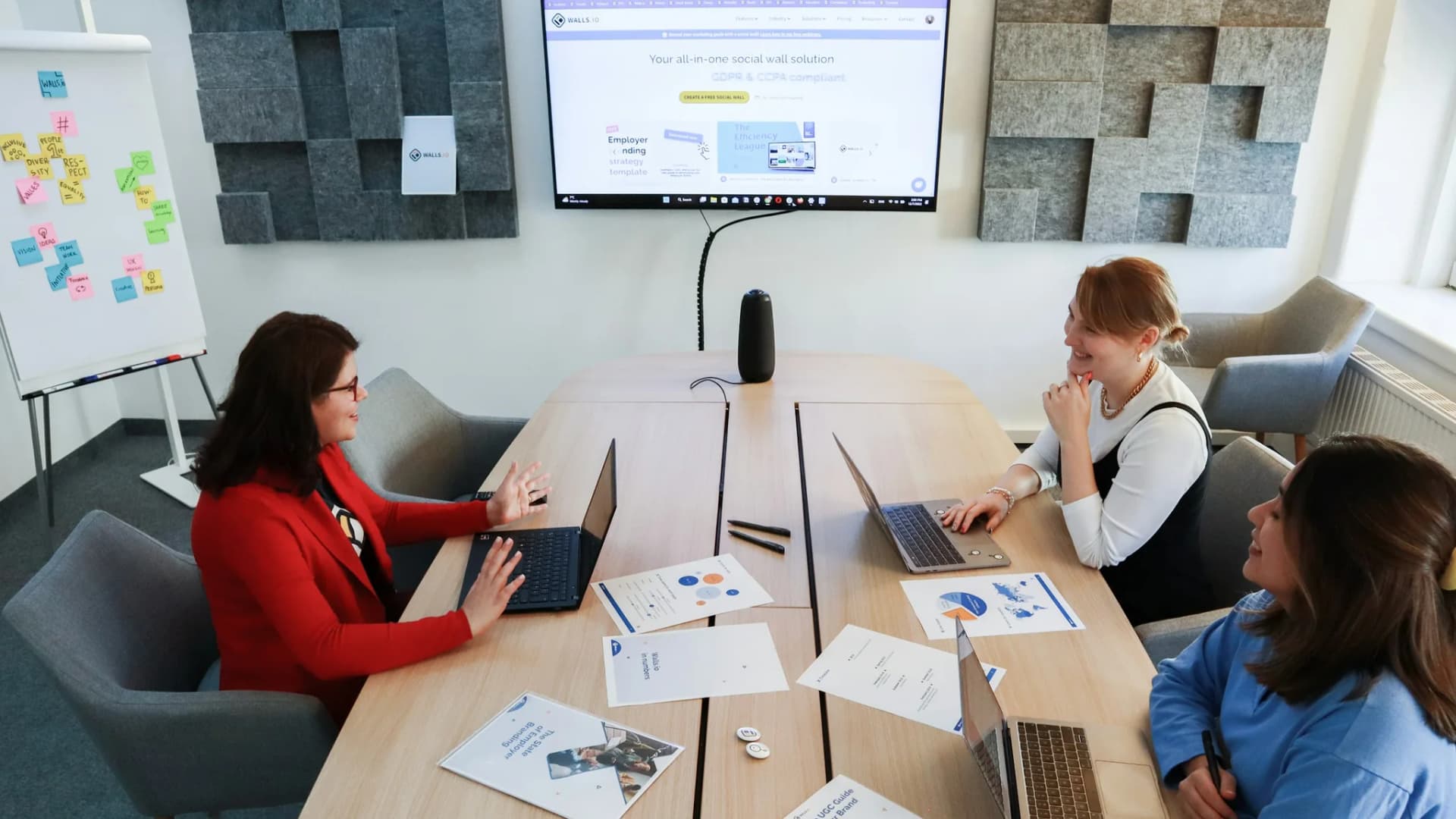
Plan from the academic calendar
A useful way to approach how an academic head can plan school HR and payroll software is this: Practical HR and payroll guidance from the roles responsible for leadership review, administration, records, reconciliation, academic planning, and coordinated operations.
An academic head can plan HR and payroll by connecting the authoritative academic calendar to staff onboarding, contract changes, working patterns, leave, absence, training, busy periods, approvals, payroll cut-offs, and support coverage.
Do not hardcode dates in a separate process when the school calendar is the source of truth. Record calendar source, version, effective period, owner, exception, and review date.
Coordinate academic and payroll work
Map employee, position, contract, timetable or duty, time, leave, absence, pay element, approval, payroll period, payment, payslip, journal, report, correction, and communication records.
A timetable, roster, or teaching allocation does not automatically establish a payroll value. Require approved policy, authoritative input, calculation, and review.
Prepare for busy periods
Before term start, closure, holiday, examinations, training, or year-end, review starters, leavers, changed hours, contract changes, leave, absence, allowances, deductions, bank changes, approvals, integrations, support, and fallback.
Test late approval, absent staff, system outage, bank delay, integration failure, correction, reversal, failed payment, and off-cycle processing.
Review the plan
Measure late inputs, approval delay, payroll variance, correction time, payment failures, employee questions, processing effort, support demand, access exceptions, incidents, and recovery.
At 30, 60, and 90 days, compare calendar-based planning with the outcome. Apply local employment, tax, payroll, privacy, security, records, accessibility, safeguarding, and legal review.
Testing how an academic head can plan school HR and payroll software against your school
Use this guidance to improve one bounded part of how an academic head can plan school HR and payroll software. Name the owner, workforce record, evidence, correction route, and review date so staff can apply it consistently.
Check an ordinary payroll case and one meaningful exception. If either depends on undocumented knowledge, add the missing definition, validation rule, permission, approval, training note, or support route.
Record what changed, what remains manual, and who reviews the result before the next HR, payroll, payment, or reporting cycle.
Keep the decision beside its evidence so the next HR or payroll colleague can understand the rule without relying on informal memory.
Use the review to decide whether the change should be expanded, repaired, narrowed, consolidated, or held.
Recheck the boundary when an employee group, contract, pay element, entity, location, bank, benefit, integration, calendar, or local requirement changes.
Choosing staff and payroll operations for how an academic head can plan school HR and payroll software
For a school evaluating how an academic head can plan school HR and payroll software, the useful test is whether the workflow has a clear owner, a shared record, and a next step that can be measured. Make staff operations easier to audit by keeping people, approvals, and payroll inputs connected.
The failure worth guarding against here is leave approved in one place and payroll calculated from another, so the two only meet at year end. Decide what the staff record that both leave and payroll inputs hang off is, and hold every candidate to it.
During a comparison, ask each option to perform how an academic head can plan school HR and payroll software with one ordinary case and one exception. Score the observed handoff, not the feature label.
- Approve leave in the demo and find it in the payroll input.
- Confirm statutory deductions are configurable, not hardcoded.
- Test a mid-month joiner and a mid-month leaver.
A practical decision on how an academic head can plan school HR and payroll software
Use the how an academic head can plan school HR and payroll software decision as a workflow question, not a feature-count exercise.
Take one real scenario from your own school into every demo and insist it is performed rather than described. A vendor who cannot do it live will not do it in production either.